Camera path and storyboard
The route through the building, planned around the moments that sell, such as the entrance, the living space, the light and the view.
One page per building. The visitor scrolls and the camera moves, through the entrance, into the living room and out onto the balcony. It works on any phone, can be built from renders before the first brick and links to a QR code on the site hoarding.
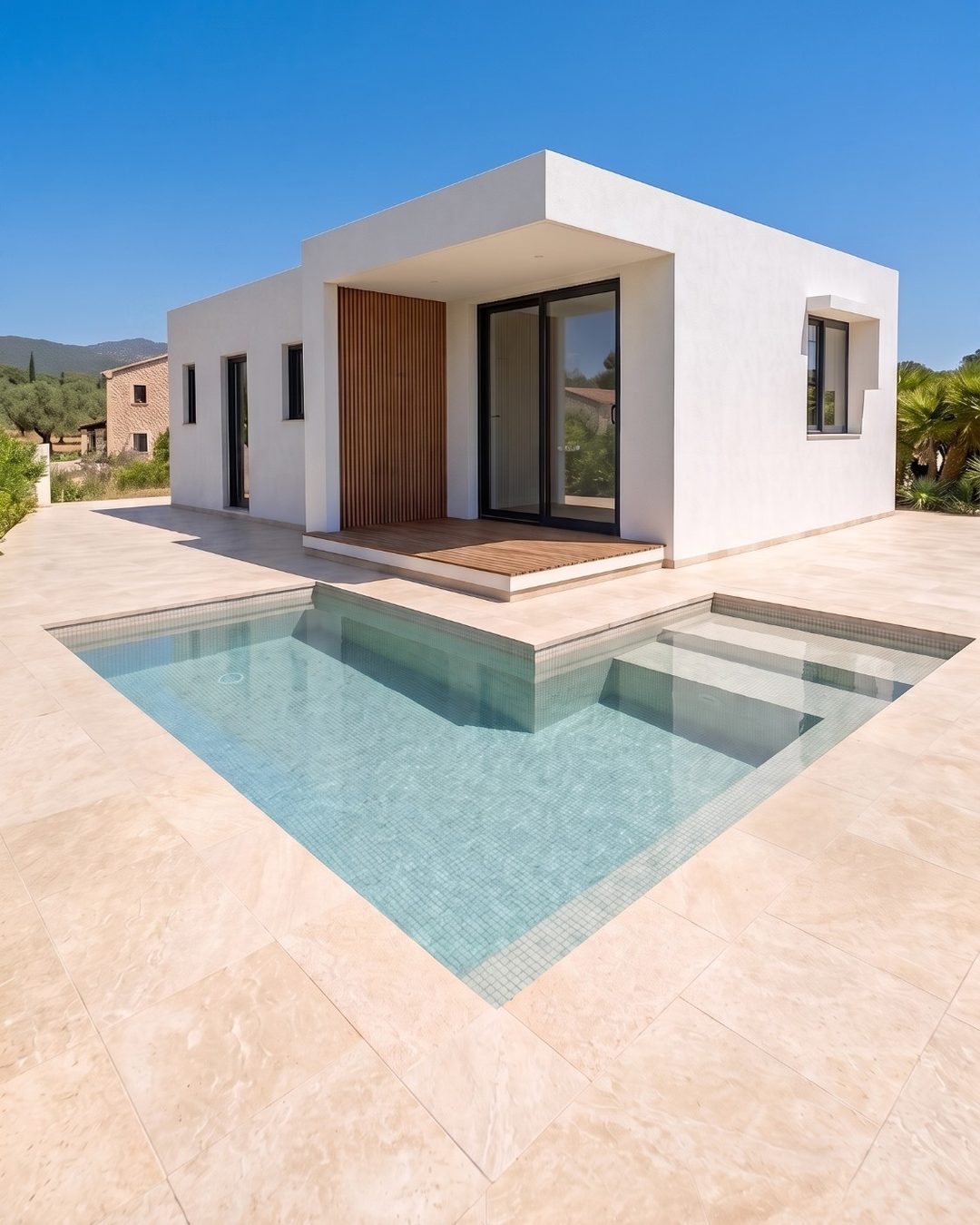
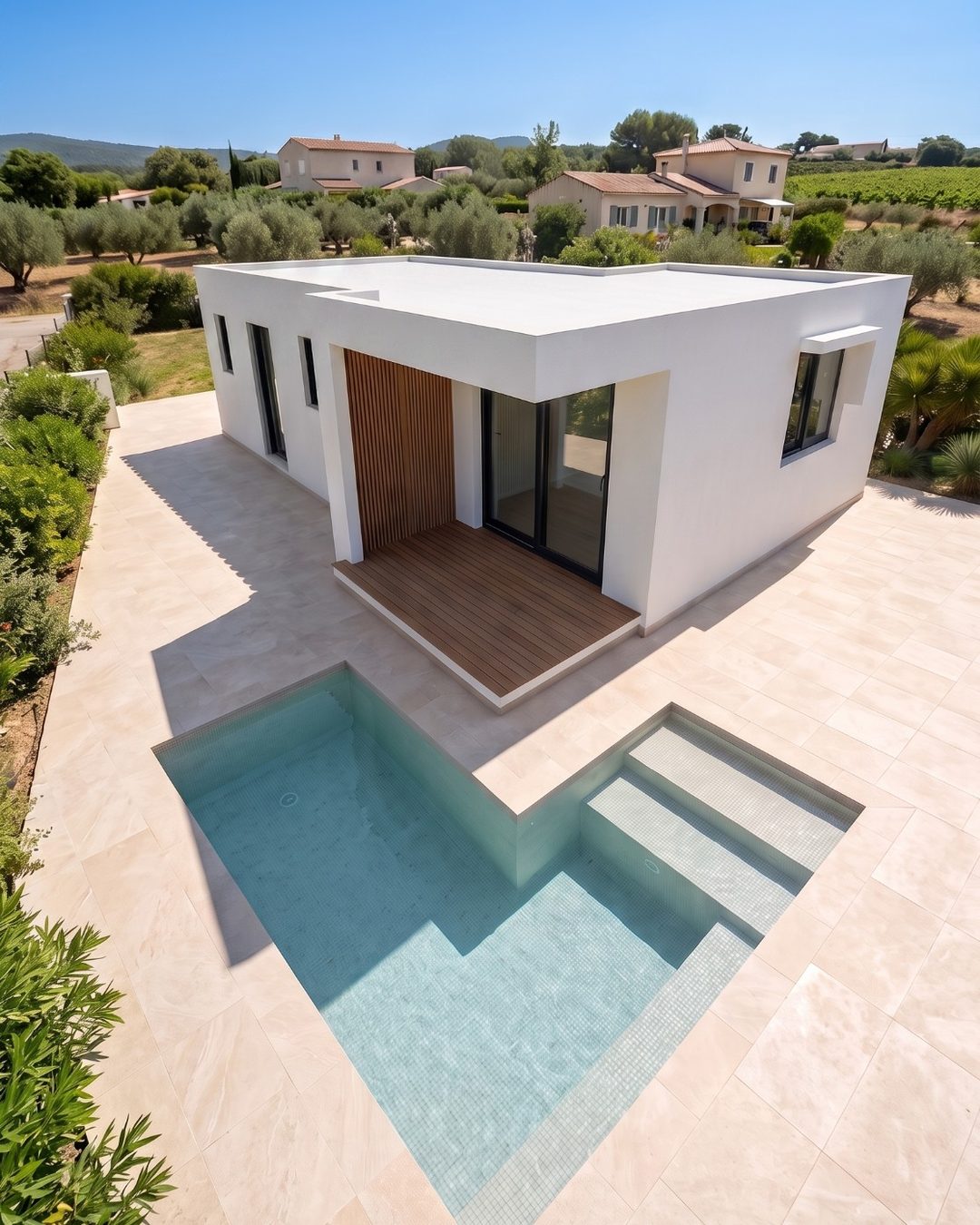
A scroll-driven tour is a web page where the visitor controls a cinematic walk through a property with their scroll, or their thumb on a phone. Instead of pressing play on a video or dragging around a 360° photo, they move forward at their own pace, and the camera follows a path we have designed, from the street to the front door, through the rooms and out to the view.
It is built for the way people actually look at property today, on a phone, often for a few minutes between other things. There is nothing to download, no headset and no app. Along the way the page shows floor plans, specifications and availability, and every visit can end in an enquiry. Each building gets its own link and QR code, so the same tour works on the hoarding, in ads, in emails to buyers abroad and on a tablet in the sales office.
A tour can be made at any stage of a project. What changes is the source material.
Working with your architect or visualisation studio, we design a camera path through the 3D model and render it as a smooth sequence of frames. This is how a buyer can walk through an apartment that does not exist yet. All visualisations are labelled as indicative.
We film the real spaces with a stabilised camera and drone, following the same kind of path. The finished tour shows the actual light, materials and views.
Many developers start with a render tour for pre-sales and replace it with filmed footage at handover. The link and the QR code stay the same, so everything already printed and shared keeps working.
A tour is not just a moving image. It is a sales page built around it. A typical page includes:
In a 30-minute call we show you a live example, look at the material you already have for your project and explain how a tour could be built for it.
One tour does many jobs, because it lives on a single link.
A QR code on the site fence lets passers-by walk through the apartment on their phone while standing in front of the plot. It turns the most visible advert of the project into an enquiry channel.
Meta and Google ads send people straight to the tour, which works as a landing page that holds attention far longer than a static page.
International buyers and the diaspora can explore the home from another country, share the link with family and arrive at a video call already knowing the layout.
On a tablet or a large screen, the tour helps the sales team present units that cannot be visited yet, and the same experience continues on the buyer’s phone afterwards.
All three have their place, and they are not mutually exclusive.
Let the visitor look around freely from fixed points. They are useful for detailed inspection of existing spaces, but on a phone they can be awkward to navigate and are usually not available before construction.
A film is cinematic and great on social media, but the viewer is passive and cannot linger where they want or go back easily.
Combine the cinematic quality of film with the visitor’s control, run smoothly on mobile, can be made from renders and sit on a web page with plans, availability and an enquiry form. They are designed to sell, not only to show.
A tour that takes too long to load is a tour nobody sees. We optimise the image sequence for mobile connections, load frames progressively and keep the rest of the page light, so the experience starts quickly even on mobile data.
Each tour is a proper web page with its own text, headings and structured data, so it can be found on Google and described by AI assistants, unlike a tour hidden inside a third-party viewer. For visitors who prefer reduced motion or use assistive technology, the page also offers the same information as text, images and a standard video.
From the camera path to the QR code on the hoarding.
The route through the building, planned around the moments that sell, such as the entrance, the living space, the light and the view.
Rendered frames from the 3D model, filmed footage of the finished spaces, or both on the same link over time.
A fast, mobile-first page with the walkthrough, captions, floor plans, availability and an enquiry form, in Greek and English.
A QR code designed for the hoarding, signs and brochures, linked to the tour.
Visits, how far people scroll and enquiries from the tour, so you know what it brings.
Vertical cuts of the tour for social media and ads that send people to the full experience.
We review the plans and renders or visit the building, agree the route and the moments to highlight, and set the timeline in writing.
Frames are rendered or filmed, edited into a smooth sequence and built into the tour page with plans and availability.
The tour goes live with its QR code, campaigns point to it and we report visits and enquiries every month.
Tours work best where the experience of the space is what sells.
Better for both of us to know before the first call.
It depends on whether the tour is built from renders or filmed, the length of the route and the number of units shown. Every tour is priced in writing before we start.
Yes. A tour before construction is built from the 3D model or renders of your architect or visualisation studio. If renders do not exist yet, we can coordinate with a visualisation studio.
Yes. The tour is a web page that runs in the phone’s browser, with nothing to install, and is optimised to start quickly on mobile connections.
Yes. Many developers replace the render tour with filmed footage at handover, on the same link and QR code.
Yes. Unlike tours embedded from third-party viewers, each tour is a page on your own website with its own text and structured data, so it can be found on Google and described by AI assistants.
It depends mainly on the source material. A tour from existing renders is faster than one that needs a new shoot or new renders. We agree the timeline in writing before we start.
Selling new-build homes before completion, from identity to reservations.
Films, websites, tours, campaigns and SEO for developers and agencies.
Custom, bilingual and fast websites for developers, projects and producers.
Property films, drone, product films and vertical reels from one crew.
A 30-minute call, no pitch deck. We look at where you are, what you want to sell and whether we are the right fit.